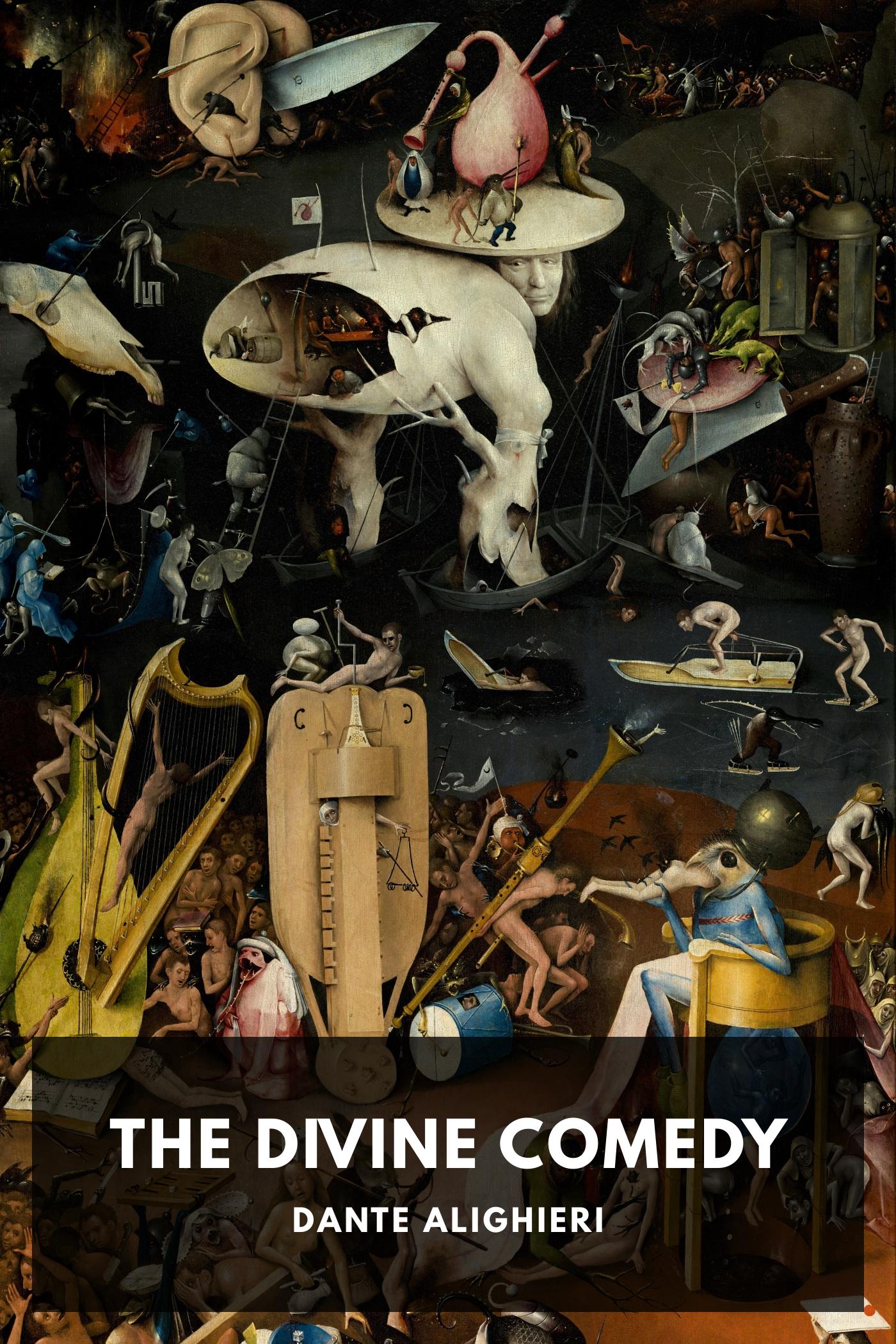
The Divine Comedy
Lost in a dark wood, Dante is led through Hell, up the mountain of Purgatory and into Paradise, meeting the famous and infamous dead along the way.
Dante Alighieri’s The Divine Comedy is a medieval Italian narrative poem that follows Dante as he journeys through the three realms of the Christian afterlife: Hell, Purgatory, and Paradise. The poem presents this journey as a progression through different states of the soul, combining encounters with the dead with reflections on morality, faith, and divine justice.
Composed in terza rima and divided into three canticles—Inferno, Purgatorio, and
2nd MeBook Edition
The original book text is unchanged. This edition updates only the Visualible MeBook enhancements.
MeBook Edition Enhancements
2nd Edition Enhancements
- Improved quality by ensuring facts are grounded in cited sources, strengthening accuracy.
Released: 11/26/2026
1st Edition Enhancements
- Adds “Context so far” to help readers quickly refresh key events and stay oriented throughout the book.
- Adds character introductions that help readers understand important people as they first appear.
- Adds explanatory footnotes that provide helpful context for historical, cultural, and literary references from within the book.
Released: 07/15/2026
See inside
The Divine Comedy in the MeBook reader
The original text on the page, with context in a panel beside it.
What this MeBook contains
The author's words, exactly as published
The complete source text is preserved, with optional context alongside it .
Context beside the page, only when you ask
Open people, places and terms without leaving your spot in the book.
A built-in dictionary
Tap any word for its meaning and keep reading.
First 20 pages free
Sign in and try it before you buy. No purchase needed.
Buy once, keep every update
One-time price, with future updates to this MeBook included at no extra cost.
Why this MeBook helps
This MeBook helps you keep your place as Dante travels through Hell, Purgatory and Paradise. It introduces 73 figures he meets or mentions, many of them real people from Florentine politics, the Church and classical history, and 78 places, from the circles of Hell to Italian cities. A glossary of 240 terms explains the medieval, theological and classical references that fill the poem.
Gain insights into character motivations and relationships.
Understand complex themes and symbolism.
Familiarize yourself with key vocabulary and terms.
Enhance your enjoyment and appreciation of the text.
Explore both real and fictional settings in detail.
Interested in this title in another context?
Visualible can also be explored for teaching, programs, and publisher evaluation.
Part of Great Books on Visualible
This title is part of Visualible's Great Books collection, featuring major works from Great Books and core-text traditions enhanced to help readers stay oriented without altering the original text.
Ratings & Reviews
Ratings are counted separately for each MeBook edition.