2nd MeBook Edition
Great BooksThe Tenant of Wildfell Hall
The original book text is unchanged. This edition updates only the Visualible MeBook enhancements.
What this MeBook contains
- Optional support for people, places, terms, and context
- Original text preserved exactly as published
- Reading flow remains uninterrupted
- Free future MeBook edition updates
- Built-in dictionary lookup
- Free 20-page preview after sign-in
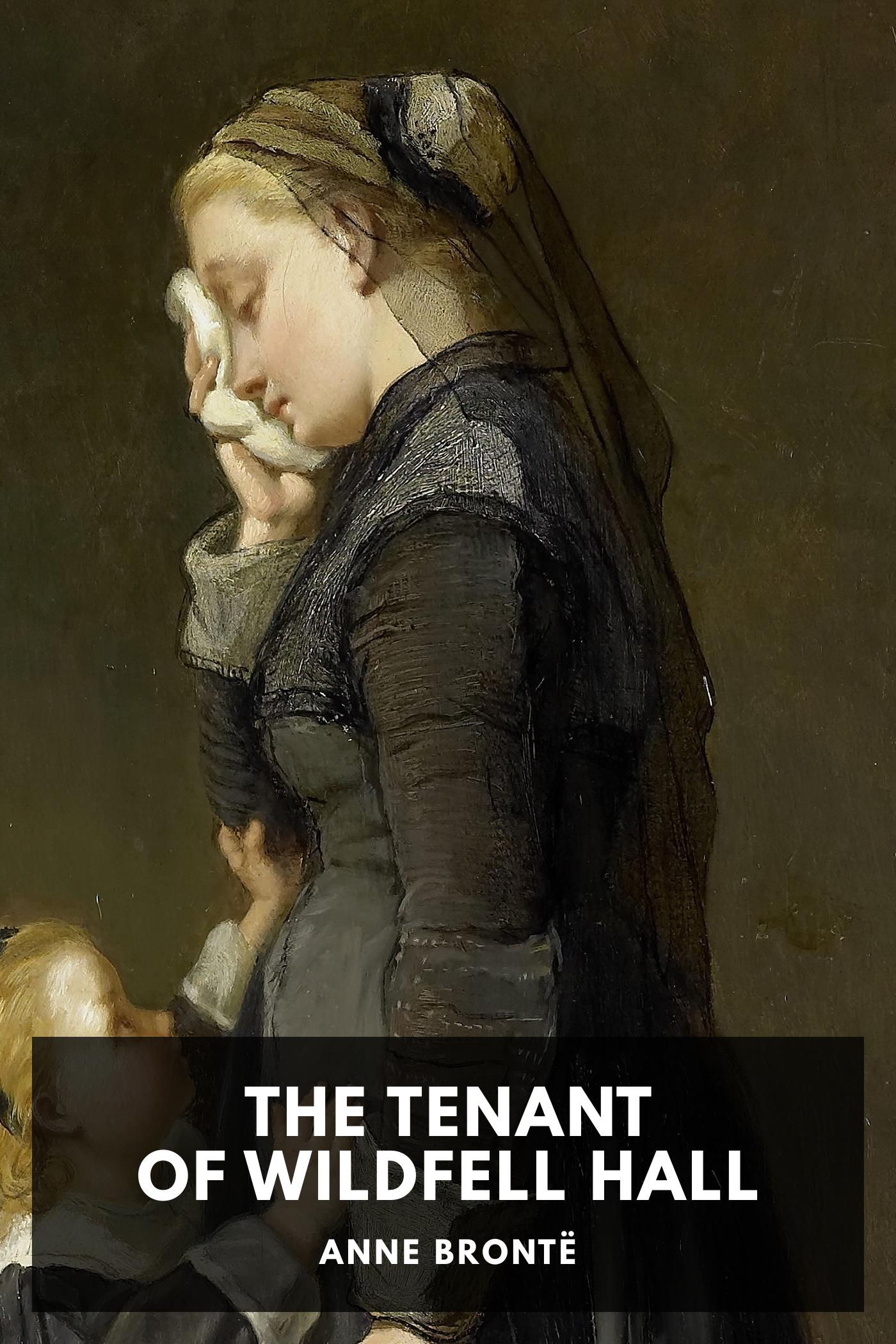
Anne Brontë’s The Tenant of Wildfell Hall is an English novel that follows Helen Graham, a mysterious woman who arrives at Wildfell Hall with her young son and begins an independent life away from her former circumstances. Her presence attracts the attention of Gilbert Markham, whose interest gradually leads him to learn more about Helen’s past and the reasons for her isolation.
First published in 1848, the novel uses a
2nd MeBook Edition
The original book text is unchanged. This edition updates only the Visualible MeBook enhancements.
MeBook Edition Enhancements
2nd Edition Enhancements
- Place Prompts identify all locations mentioned in a book, including cities or fictional places. They capture key details such as the place’s role in the story, important events occurring there, and characters connected to it.
Released: Jun 30, 2026
1st Edition Enhancements
- Introduces Visualible's reader-support layer for this MeBook.
- Adds optional contextual support for people, places, and terms.
- Preserves the original book text unchanged.
Released: Mar 20, 2026
Why This MeBook Helps
The enhancement for 'The Tenant of Wildfell Hall' provides a comprehensive analysis that enriches readers' understanding of the novel. It includes detailed character breakdowns, insights into the various settings, and a glossary of terms that can sometimes be challenging. This resource is invaluable for those wanting to engage deeply with Anne Brontë's themes of gender, morality, and independence, making it easier to navigate the 19th-century language and social context.
Understand who the characters are and how they relate to one another
Recognize historical and cultural references
Clarify unfamiliar terms in context
Recall prior events and relationships
Distinguish important places and settings
This work presents an unusually demanding reading environment, with a large cast, extensive geography, historical or cultural references, and accumulated prior context. Visualible provides a deeper prepared support layer to help readers stay oriented while preserving the original text.
Your purchase includes future Visualible editions of this title at no additional charge.
Related Great Books
Interested in this title in another context?
Visualible can also be explored for teaching, programs, and publisher evaluation.
Part of Great Books on Visualible
This title is part of Visualible's Great Books collection, featuring major works from Great Books and core-text traditions enhanced to help readers stay oriented without altering the original text.
✓Original text preserved
✓No summaries
✓No chatbot
✓No rewriting
✓Context beside the page