Author
Books by George Eliot
Leading Victorian novelist renowned for psychological depth and intellectual sophistication in Middlemarch and Silas Marner.
1 published MeBook on VisualibleOn Visualible
Available MeBooks by George Eliot
Every MeBook lets you read the first 20 pages free.
Biography
About George Eliot
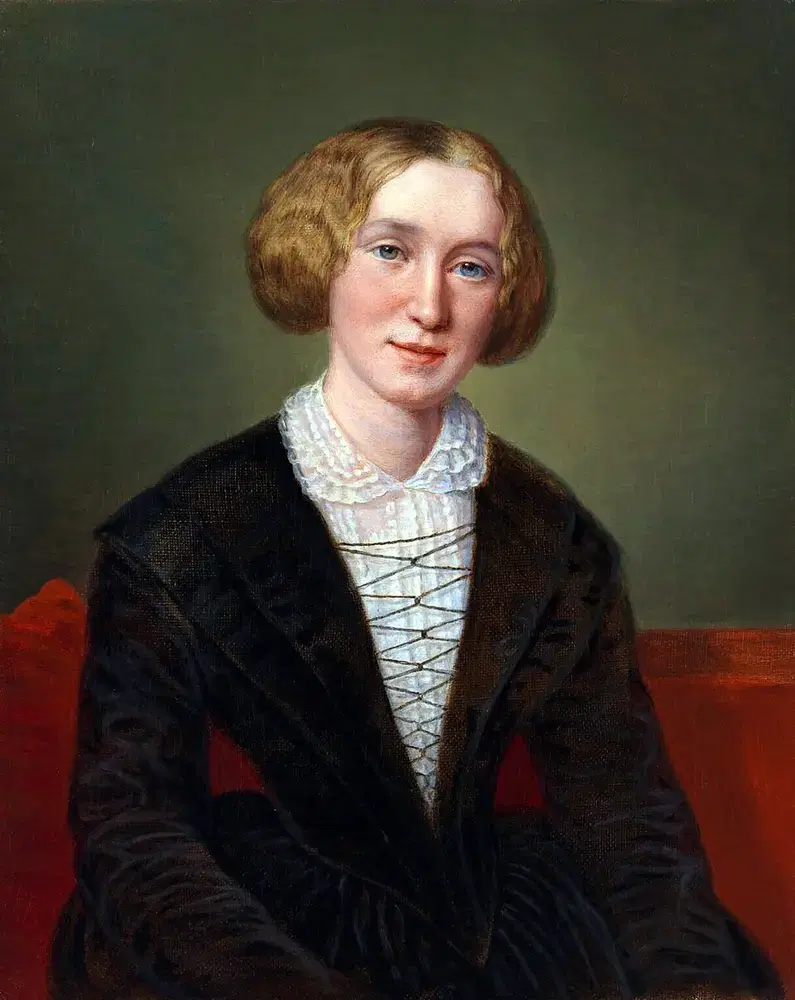
George Eliot was the pen name of Mary Ann Evans (1819–1880), one of the foremost English novelists, translators, and intellectuals of the Victorian era. Adopting a male pseudonym to ensure her serious philosophical fiction received impartial critical assessment in a patriarchal literary market, Evans brought unmatched intellectual depth, ethical sophistication, and psychological realism to the novel. Emerging as a brilliant essayist and editor of the radical Westminster Review, she translated pioneering theological works by David Friedrich Strauss and Ludwig Feuerbach before turning to fiction with Adam Bede, The Mill on the Floss, and Silas Marner. Her 1871–1872 masterpiece, Middlemarch, subtitled 'A Study of Provincial Life,' is widely regarded by scholars and authors as the pinnacle of nineteenth-century English fiction, celebrated for its intricate web of provincial relationships, sympathy for uncelebrated lives, and profound exploration of moral compromise. Eliot’s humanist vision and psychological penetration permanently elevated the intellectual status of the English novel.
Keep exploring
Explore related categories
Read George Eliot with the context built in.
Open any MeBook and read the first 20 pages free. No subscription, no detours.